

Lost in Paris: How I Asked Parisians for “Terrasse” instead of “Their Ass”
It’s hard to imagine now, in the era of smartphones and GPS, that getting lost abroad was once almost an expected part of travel, a fear every traveller carried.
Paris, 1984-My first solo trip to France.
I’d come on a business errand — to source perfumes for our family’s aerosol deodorant sprays — but my secret mission was to test my ten evening classes of French and to taste real independence in a foreign city. My earlier visit to Europe had been a guided march through Germany for a trade fair, where every moment was scheduled. This time, there was no plan — just 24 year old me, a suitcase, a pocketful of confidence, and more than enough travellers cheques.
From the Charles De Gaulle airport, I booked a small, charming hotel in central Paris. That evening, after sleeping for half a day, restless and curious, armed with my beginner’s French phrases, I wandered into the streets.
The city was everything I’d read in paper backs. The air was heavy with buttered croissants, roasted coffee, and the faint cloud of cigarette smoke carried by chic women scented in perfume. Every turn revealed something beautiful — couples holding hands, bursts of laughter, shop windows carrying luxury goods, and, now and then, a glimpse of the Eiffel Tower.
I walked for over an hour, intoxicated by Paris — until I realized I had no idea where I was. I tried to retrace my steps, only to find that every street looked like the last, every junction had a twin.
The only thing I remembered about my hotel was its name: La Terrasse. No card, no address, no map.
Spotting a taxi, I approached.
“Pardon, monsieur… hôtel La Terrasse?”
A blank stare. Then a smirk. He muttered something rapid in French, shook his head, and drove away.
Only later did I understand — my hopeless French pronunciation. I had said “La Terrasse” exactly as an English-speaker would read it. To a Parisian ear, it sounded ridiculous(The correct French pronunciation happens to sound almost exactly like saying “their ass” in English).
Determined, I wrote Hôtel La Terrasse on paper and showed it to a few more cabbies. Still no luck. It only meant hotel with a roof.
By now, hunger had set in. Defeated, I ducked into a small restaurant and pointed my finger at poisson on the menu. I knew it meant “fish,” but I did not take a chance saying it. (Thank God I did not ask it orally. It is pronounced “pwas-on”nothing like the English word “poison.”)
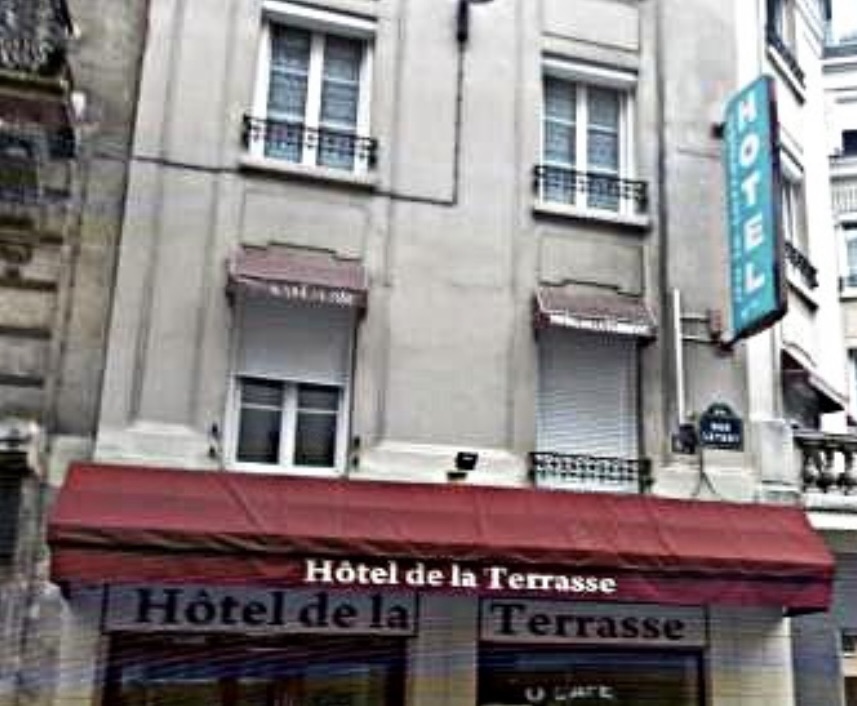
The meal revived me. With fresh determination, I asked the waiter for a phone directory. With a grunt, he dropped two massive volumes in front of me. I flipped page after page until — at last — there it was: “Hôtel de la Terrasse, 67 rue le Tort”.
Minutes later, a taxi delivered me to its curved façade, glowing like a lighthouse after a storm.
That night, leaning out my window to hear the hum of the Paris street, I promised myself two things: never travel without the hotel’s card in my pocket — and never, ever trust French words to sound the way they look.
Travel often humbles you,teaches you and sometimes it embarrasses you. But invariably, it matures you.


friedsublimee4b39079af
11th August 2025 - 11:55 am ·Loved the narration ❤️